


Despite the draft definition of NIST, National Institute of Standards and Technology, we continue to talk about Cloud Computing as if it were the technology capable of doing everything. One of these much-mentioned features is the alleged innate scalability of the technology, so let’s start with a proper understanding of scalability first: We can define […]
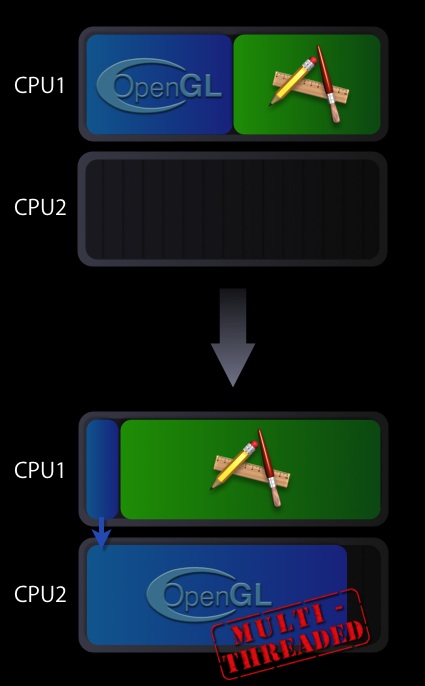
Some time ago in the in-depth analysis of hypervisor performance we found ourselves faced with a native problem of virtual Simmetric MultiProcessing (vSMP) which would be a methodology of Simmetric MultiProcessing (SMP), thanks to which we can assign more than one virtual CPU (vCPU) to a virtual machine. This feature would allow you to give […]

NIST (National Institute of Standards and Technology) informs us of the draft definition of the term Cloud Computing. There was a strong need for it given the proliferation of incorrect definitions and the often improper use of this term by outdated, but fashionable ICT companies. Here are some essential points that have not been translated: […]

The DMTF (Distributed Management Task Force) announced yesterday, April 27, the formation of a working group dedicated to the development of a set of specifications for the management of resources in the Cloud. The group, Open Cloud Standards Incubator, will focus mainly on interoperability between private and public clouds, perhaps developing management protocols, package formats […]

In the difficult search for a management system capable of satisfying the needs of a complex, dynamic and complete business, we came across this OpenSource project: A complete and flexible software with a programmable and customizable client-server architecture of which we report the features: Enterprise Modules *Sales * Purchase * Services Management * Invoicing * […]

The proliferation of datacenters, the number of under-used servers, the delays and complexity in designing and implementing a reliable and scalable multi-tier infrastructure, the need of companies to no longer want to worry about the infrastructure, to no longer want to keep “in-house” system engineers and architects useful only at certain times, are finally developing […]

From 2006 to the present, the economy and global interest in virtualization-related issues have undergone a remarkable and rapid evolution; it has become a field of study just as the development of digital cellular telephony once was. Let’s take a look back at some history: 2003 – EMC Corporation acquired VMware for $635 million, and […]
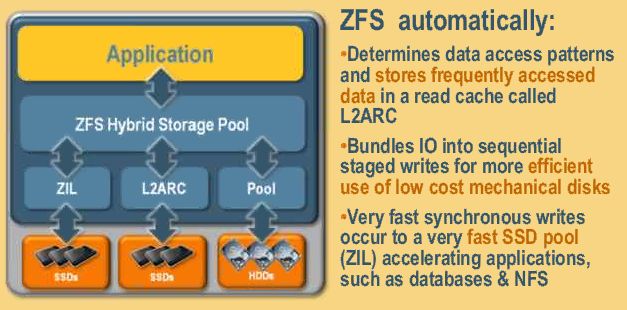
Months ago we underlined at the bottom of the article: http://blog.vmengine.net/2008/05/30/marten-mickos-ceo-di-mysql-a-la-sapienza-di-roma/ related to the Roman conference of MySQL at Sapienza, about the future possibilities of creating performance using the new native ZFS filesystem of Solaris and the MySQL database engine. Well something was born, thanks to some features of the phenomenal ZFS filesystem and the […]
For those who follow our updates, not long ago we published the following article: high-availability-free-kemari-allo-xen-summit-asia-tokyo On the new horizons of high availability of the XEN open source project. In the demos of the RoadMap of the VMware portal there is a video on a new very interesting feature, VMware Fault Tolerance, which exploits, as it […]
This is a mini guide to the chapter on swapping formats between Virtual Machine Manager. In this case we have native Microsoft Virtual Server VMs and we want to mount them on XenServer. The issue is simplified by the fact that they both use the VHD format as virtual disks. The operations to be carried […]